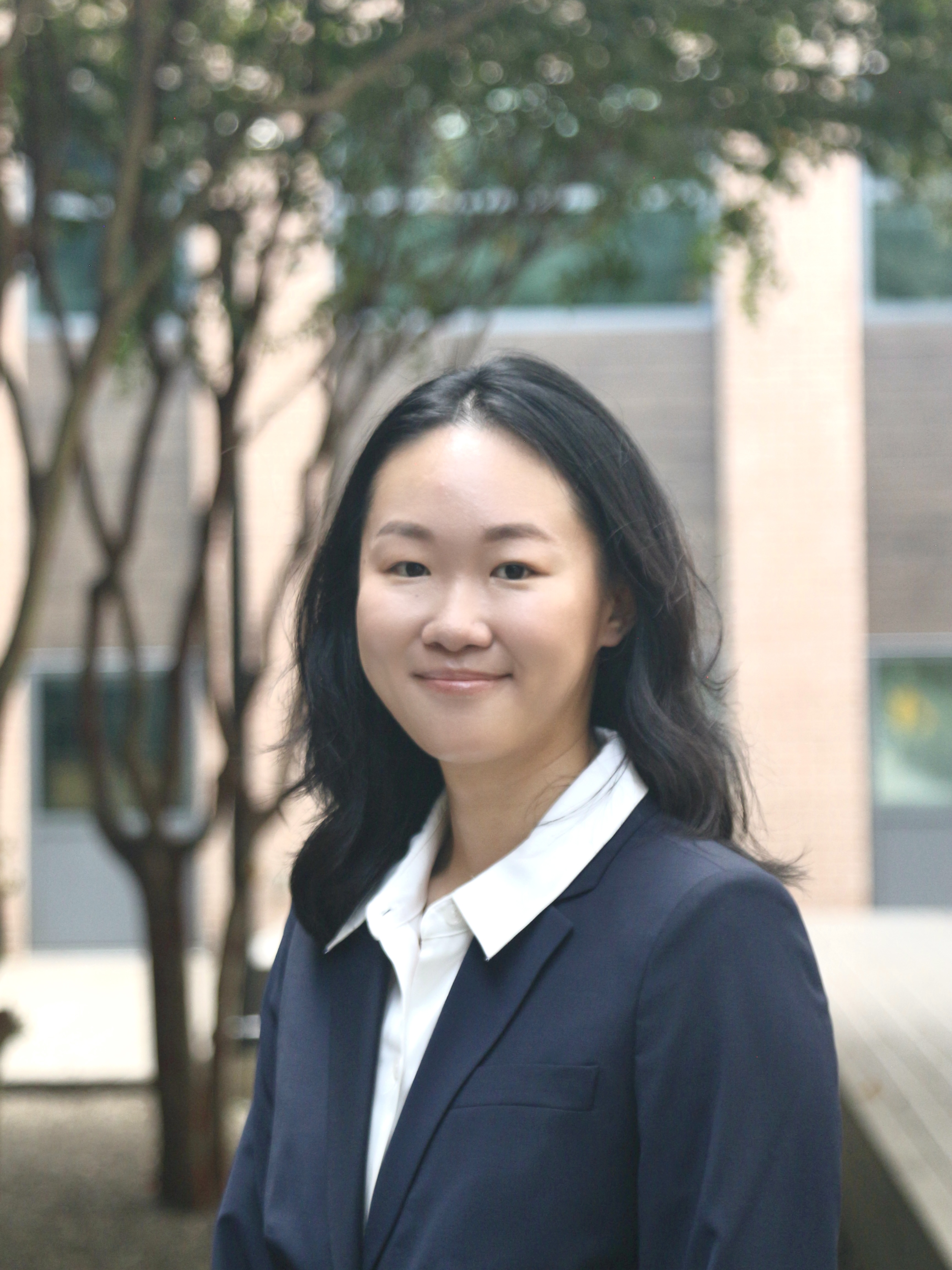
Yuwei Zhang
Ph.D. Candidate in Economics
University of Houston
My primary research fields are Health Economics, Labor Economics, and Environmental Economics. My work examines how physician decision-making and environmental exposures shape health and human-capital outcomes.
You can download my CV here. My email is yzhang201@uh.edu.
Working Papers
This paper examines how the Black–White gap in cesarean section rates varies with patient medical risk. Using Texas hospital inpatient discharge data on all deliveries from 2000 to 2024, I study 2.6 million deliveries that begin with a trial of labor and estimate racial gaps within bins of a predicted medical risk index, controlling for hospital and physician fixed effects. The gap is two-sided: Black mothers are 1–3 percentage points more likely than White mothers to receive a C-section at low and medium levels of medical risk, but 4.4 percentage points less likely at the highest risk. Hospital and physician fixed effects leave this pattern largely unchanged. The high-risk deficit is concentrated among breech deliveries: among breech deliveries that begin with a trial of labor, for which C-section is the standard of care, Black mothers are 6.7 percentage points less likely to receive a C-section than White mothers treated by the same physician. These findings reveal substantial racial disparities in C-section use at both ends of the medical-risk distribution, with the direction of the gap reversing at high risk.
Does repeated exposure reduce the short-run cognitive costs of air pollution? We study how exam-time exposure to fine particulate matter (PM2.5) affects college students’ test performance using administrative records from a university in Beijing between 2008 and 2016. We find that higher PM2.5 levels during exams are associated with lower test scores. This effect is systematically smaller for students from more polluted hometowns than for those from cleaner-air areas. Moreover, among students from cleaner-air hometowns, sensitivity to exam-time pollution declines with years spent in Beijing, and differences across groups largely disappear over time. Together, these findings provide suggestive evidence that repeated exposure to air pollution is associated with adaptation in short-run cognitive responses.